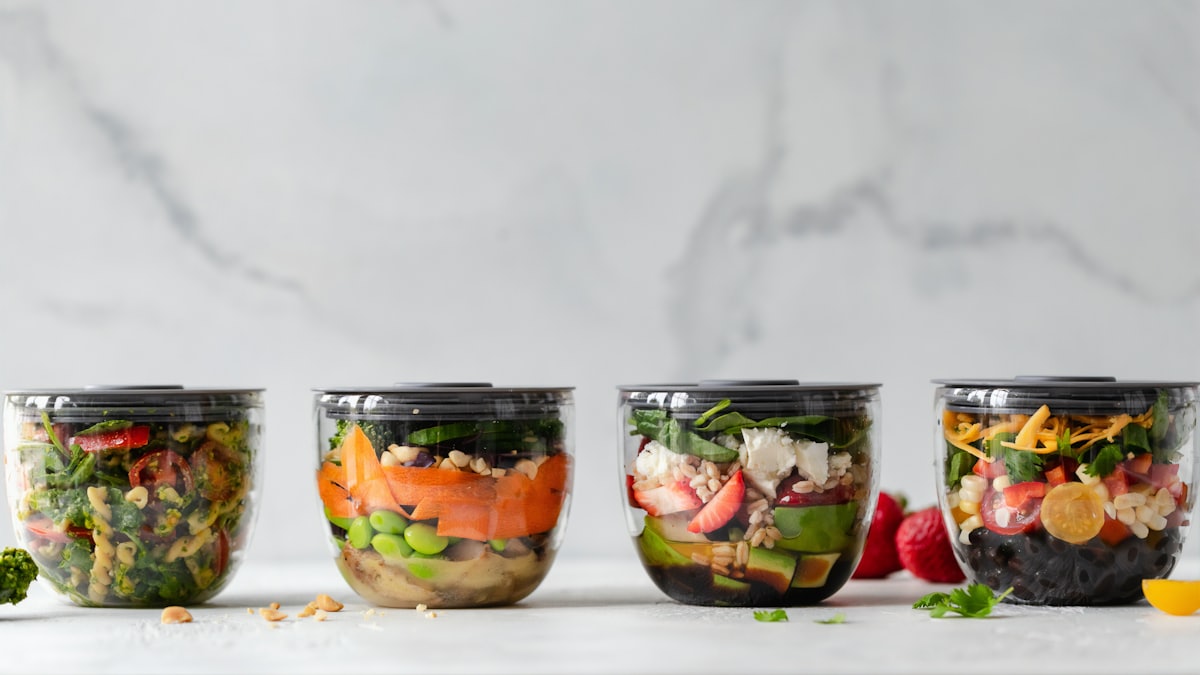
A prep list tells the kitchen exactly what to prepare, and how much, before service — the written form of mise en place. Done well, it prevents both the mid-service disaster of running out and the end-of-night waste of over-prepping. The trick is to prep to par: base each item’s quantity on expected demand and what is already in stock, not on habit or gut feel, so the kitchen starts every service ready and finishes it without a bin full of wasted prep.
Service is won or lost before it starts
A calm, sharp service looks effortless, and that effortlessness is built in the hours before doors open — in the prep. The prep list is what turns "get ready" into a specific, assignable plan: every component chopped, portioned, sauced and stationed so the line can simply assemble during the rush. Skip it or wing it, and service becomes a series of small emergencies — the dish that cannot be fired because its base was not made, the station scrambling mid-rush. The prep list is the quiet document that decides whether tonight is smooth or frantic.
It guards against both shortfall and waste
A prep list has two failure modes it exists to prevent. Under-prep and you run out mid-service — the worst outcome, because it means turning away sales and disappointing guests at your busiest moment. Over-prep and you bin the surplus, feeding the wastage that quietly erodes your food cost. A good prep list threads between them: enough to never run short, not so much that the walk-in becomes a graveyard of prepped-but-unsold components.
Prep to par, not to habit
The difference between a rough prep list and a great one is prepping to par. Instead of making "the usual amount" of everything, each item's prep quantity is set by two things: expected demand for the service, and how much is already in stock. Prep quantity = par level minus what you have. That is the same logic as par stock applied to prepped components, and it stops the two classic errors — re-making something you already have plenty of, and forgetting the item that always runs out on a busy Saturday.
Make it a system, not a memory
The best prep lists are written, assigned and repeatable — not carried in the head chef's memory. Standardise the list by station and day, tie the quantities to your forecast covers, and let it flex up for a big Saturday and down for a quiet Tuesday. Combined with clear SOPs for how each item is prepped, it means any competent cook can get the kitchen service-ready, the standard holds regardless of who is in, and nothing important is ever forgotten in the pre-service rush.
Kitchen Prep List Generator
Turn forecast covers into a consolidated, station-wise prep sheet with per-cover quantities. Copy it, print it, put it on the pass.
Step by step
Build a prep list that prevents shortfall and waste.
- Forecast the service. Estimate covers for the shift using recent data for that day and time.
- Set a par for each prepped item. Decide the quantity of each component that expected demand requires.
- Subtract current stock. Prep quantity = par − what is already prepared and in date.
- Assign by station and standardise. Write the list by station, assign it, and tie it to SOPs so anyone can execute it consistently.
Frequently asked questions
What is a kitchen prep list?
A prep list is a written plan of exactly what the kitchen must prepare, and how much, before service — the documented form of mise en place. It turns "get ready" into a specific, assignable set of tasks so the line can simply assemble dishes during the rush.
How do I decide how much to prep?
Prep to par: set each item’s quantity from expected demand for the service, then subtract what is already in stock. Prep quantity = par − current stock. This prevents both re-making things you already have and running out of items that always sell.
How does a prep list reduce waste?
By preventing over-prep. Basing quantities on forecast demand and existing stock, rather than making "the usual amount," stops the kitchen producing components that never sell and end up in the bin, which directly protects food cost.
Keep reading
Par Stock and Reorder Points: Never Run Out, Never Over-Order
What par stock and reorder points are, the reorder-point formula, how to set safety stock, and how to stop both stockouts and over-ordering in a restaurant kitchen.
FIFO and Kitchen Wastage: Plugging the Leak Nobody Logs
How FIFO stock rotation and a simple wastage log cut food cost — the three kinds of waste, why you must record it, and how to turn logged waste into rupees saved.