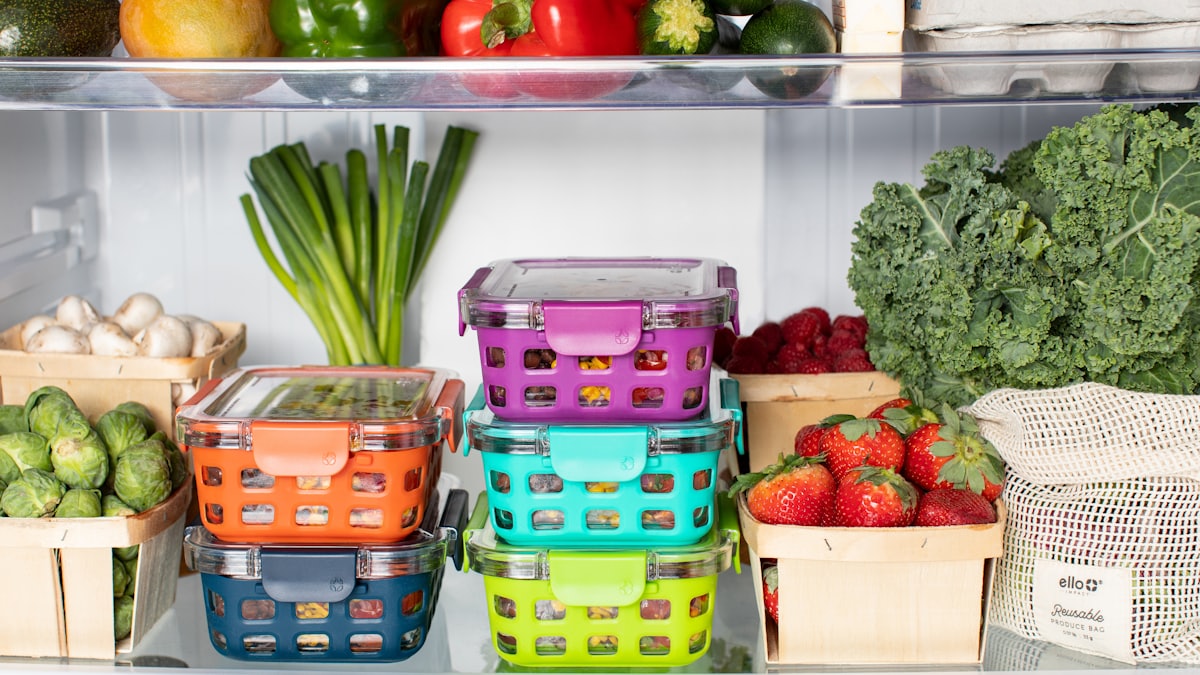
FIFO — first in, first out — means always using older stock before newer so nothing expires unsold. Paired with a daily wastage log, it is the cheapest food-cost win most kitchens have: spoilage, over-prep and trim typically waste 4–10% of food purchases, and almost none of it appears on the P&L labelled as “waste.” You cannot cut what you do not count.
What FIFO is and how to actually run it
FIFO is a storage discipline: the stock that came in first gets used first. It sounds obvious, and it collapses the moment a delivery gets shoved in front of last week’s stock because it is easier. Running it properly takes three habits:
- Label and date everything on arrival and on prep — received date and use-by, in a way anyone on the line can read.
- Store oldest-to-front. New stock goes to the back; the cook always reaches the oldest first.
- Store correctly. Right temperature, sealed, off the floor. Half of “spoilage” is really bad storage, not bad luck.
The three kinds of waste — and only one is obvious
Spoilage — the mouldy tomatoes — is the waste everyone sees. The expensive ones hide:
- Spoilage: stock that expired before it was used. FIFO attacks this directly.
- Prep and trim waste: peelings, off-cuts, over-prep that never gets sold. Managed through yield discipline and prepping to par, not to habit.
- Plate waste: food that comes back uneaten because portions are too big. Over-portioning is waste dressed up as generosity.
Why the wastage log is the whole game
Waste that is not recorded is invisible, and invisible problems never get fixed. A wastage log is deliberately low-tech: a sheet by the bin where anyone who throws food away notes what it was, roughly how much, and why (spoiled, dropped, over-prepped, returned). A week of honest logging almost always surprises the owner — it turns a vague “we waste a bit” into “we threw away ₹3,200 of paneer and coriander this week,” which is a number you can act on.
Turning logged waste into money saved
Once waste is measured, it becomes a target. Costed at your real ingredient rates, the log tells you which items to order less of, prep smaller, store better, or re-engineer out of the menu. Even halving a 6% waste rate on a kitchen buying ₹6 lakh of food a month puts roughly ₹18,000 straight back into margin — no price rise, no new customers. Over-ordering is the upstream cause of much of it, which is where par stock comes in.
Inventory FIFO Wastage Calculator
Track stock batches by purchase date and shelf life. Consumption applies oldest-first (FIFO) so you see exactly how much expired stock is worth.
Step by step
Set up FIFO and a wastage log in five steps.
- Label and date all stock. Mark received and use-by dates on delivery and on prepped items.
- Store oldest-to-front. Rotate so the oldest stock is always the first reached.
- Log every waste event. Keep a sheet by the bin: item, quantity, reason. No blame, just data.
- Cost the waste weekly. Value the logged waste at real ingredient rates to see the rupee impact.
- Act on the top offenders. Order less, prep smaller, store better, or menu-engineer the worst items out.
Frequently asked questions
What does FIFO mean in a kitchen?
FIFO stands for first in, first out — using older stock before newer stock so items get used before they expire. It relies on labelling and dating stock and storing oldest-to-front so the line always reaches the oldest item first.
How much food waste is normal for a restaurant?
Many kitchens waste roughly 4–10% of food purchases across spoilage, prep/trim and plate waste. Most of it never appears on the P&L as “waste,” which is why a wastage log is essential to see and reduce it.
Does reducing wastage really move food cost?
Yes, directly. Waste is food you paid for and never sold. Halving a 6% waste rate on ₹6 lakh of monthly purchases returns around ₹18,000 to margin every month with no price increase.
Keep reading
Food Cost Percentage: The Number That Quietly Decides Your Month
What food cost percentage is, how to calculate it with a stock-take, the benchmark bands for Indian restaurants and cloud kitchens, and why weekly beats monthly.
Par Stock and Reorder Points: Never Run Out, Never Over-Order
What par stock and reorder points are, the reorder-point formula, how to set safety stock, and how to stop both stockouts and over-ordering in a restaurant kitchen.