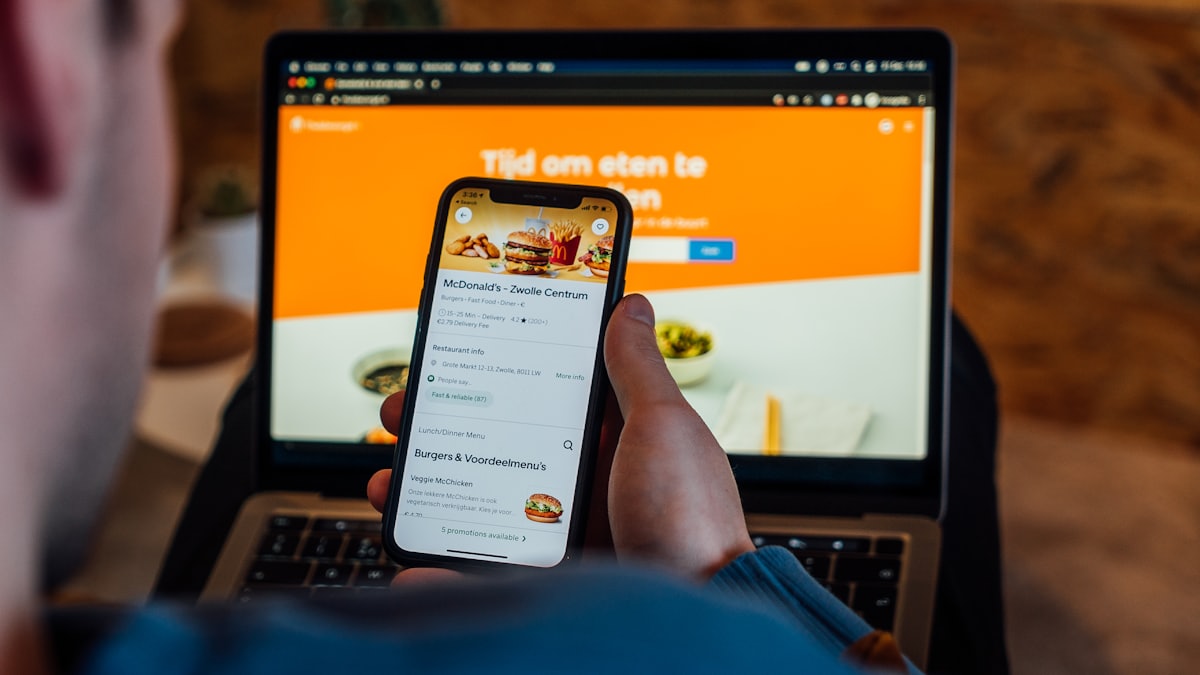
A direct-ordering channel — your own website, app or WhatsApp — avoids the 18–30% aggregator commission, but it costs money to set up, run and, above all, market. It pays once the commission you save on direct orders exceeds those fixed costs, which happens at a break-even volume of direct orders per month. The winners do not try to replace aggregators; they use them for discovery and convert loyal, repeat customers to the direct channel where the margin is far better.
Why direct ordering is tempting
Every order that comes through Zomato or Swiggy hands over 18–30%. Every order that comes through your own website, app or WhatsApp keeps it. On a business doing meaningful delivery volume, that commission is one of the largest single costs, so building a channel that avoids it looks like an obvious win. It can be — but only once you count the other side of the ledger.
The real cost of your own channel
Direct ordering is not free just because there is no commission. It carries its own costs: the ordering technology (a website or app, or a WhatsApp/ONDC setup), payment-gateway fees, your own delivery (riders or a logistics partner), and — the big one most underestimate — marketing to actually drive orders to it. The aggregator's real service is demand; replicating even part of that demand yourself takes ongoing effort and spend. A direct channel nobody orders from saves nothing.
The break-even order volume
The channel pays when the commission you save on direct orders exceeds its fixed running costs. Roughly: break-even direct orders = monthly fixed cost of the channel ÷ commission saved per order. If running the channel costs ₹20,000 a month and you save ₹100 of commission on an average order, you need about 200 direct orders a month just to break even — and profit only above that. Knowing that number tells you whether direct ordering is a real opportunity or a vanity project at your current volume.
How the winners actually do it
The restaurants that win at direct ordering do not fight the aggregators head-on for discovery — they lose that fight. Instead they use aggregators for what they are best at, finding new customers, and then work relentlessly to convert those customers' repeat orders to the direct channel: a flyer in the delivery bag, a loyalty perk for ordering direct, a friendly WhatsApp number, a small discount that is still cheaper than commission. The repeat customer who already loves your food does not need re-acquiring — and that is exactly where the direct channel's margin advantage pays off. It is the same play as a hotel steering repeat guests off OTAs.
Direct Ordering Breakeven Calculator
Find how many orders per month justify your own ordering channel (website/WhatsApp) versus paying aggregator commission. The escape-the-commission math.
Step by step
Work out if a direct channel pays.
- Total the channel’s monthly fixed cost. Ordering tech, payment fees, delivery setup and, crucially, the marketing to drive orders.
- Find the commission saved per order. The rupees you would have paid an aggregator on an average order.
- Calculate break-even orders. Break-even direct orders = monthly fixed cost ÷ commission saved per order.
- Convert repeat customers. Use aggregators for discovery and steer loyal, repeat customers to the direct channel with perks and nudges.
Frequently asked questions
Is direct ordering cheaper than using aggregators?
Per order, yes — a direct channel avoids the 18–30% aggregator commission. But it carries its own fixed costs for technology, payments, delivery and marketing, so it only pays once the commission saved on direct orders exceeds those costs, at a break-even volume of direct orders per month.
How many direct orders do I need to break even?
Break-even direct orders = the channel’s monthly fixed cost ÷ the commission saved per order. If the channel costs ₹20,000 a month and you save ₹100 per order, you need about 200 direct orders monthly to break even, with profit only above that.
Should I stop using aggregators if I build direct ordering?
No. Aggregators are best at discovery — finding new customers — which is hard and expensive to replicate. The winning approach uses aggregators to acquire customers and converts their repeat orders to the cheaper direct channel with loyalty perks and nudges.
Keep reading
Zomato and Swiggy Commissions: What Food Delivery Really Costs Your Restaurant
How aggregator commissions work, what a delivery order really nets after commission, packaging, discounts and GST, and how to price a delivery menu so it actually makes money.
ONDC vs Zomato and Swiggy: Cheaper Delivery, but Is It Worth It Yet?
How ONDC-based food delivery compares to Zomato and Swiggy on commission and control, what the trade-offs are today, and how to decide whether to add it to your channel mix.