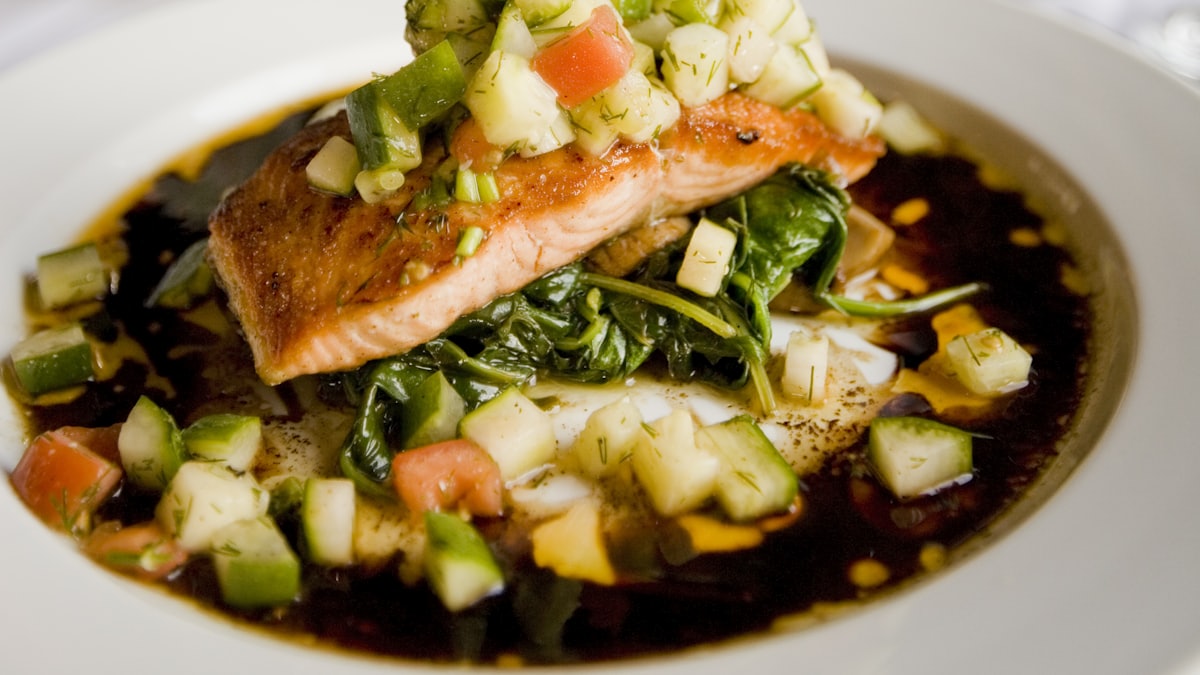
A menu description is a tiny sales pitch, and small changes to it measurably shift what people order. The ones that work use sensory and specific language (how it tastes, looks and feels), name provenance or a signature detail that signals quality, and match the length and tone to the room. Generic descriptions ("mixed vegetable curry") leave money on the table; vivid, specific ones make a dish sound worth its price — and steer guests toward the items you most want to sell.
Descriptions are silent salespeople
Every line on your menu is doing a job, whether you wrote it deliberately or not. A flat description — "paneer butter masala" — describes; a crafted one sells. Research and every operator's experience agree: better-written descriptions measurably lift orders of the dishes they describe. On a menu read by every single guest, the copy is one of the highest-leverage pieces of marketing you own, and most restaurants never think about it.
What a description that sells contains
Good menu copy is built from a few reliable ingredients:
- Sensory language — how it tastes, looks, smells, feels. "Slow-cooked", "smoky", "crisp", "silky" do work that "nice" never will.
- Specific, not generic — "Malabar prawn curry with fresh curry leaves and coconut" beats "prawn curry". Specificity signals care and justifies price.
- A quality signal — provenance, a technique, a signature detail ("48-hour dough", "hand-pounded masala") that tells the guest this is not ordinary.
- The right length and tone — a few evocative words for a casual room, a fuller line for fine dining. Match the copy to the place.
The mistakes that make food sound cheap
The fastest way to undersell a dish is generic, lazy copy. "Mixed vegetable curry" sounds like a canteen; the same dish described with its vegetables, technique and character sounds worth its price. Other traps: over-writing until it reads as pretentious, inconsistency of tone across the menu, and copy that oversells what the plate actually delivers — a description that promises more than the dish gives disappoints, and disappointment does not reorder. Vivid but honest is the target.
Use copy to steer the menu
Descriptions are also a lever in menu engineering. Your stars and puzzles — the dishes you most want to sell — deserve the richest, most tempting copy and the best position, while low-margin items get plainer treatment. Combined with price placement and layout, good descriptions quietly guide guests toward the dishes that make you money. A tool that drafts appetising, on-brand descriptions from your dish details gives you a strong first version for every item — far faster than staring at a blank menu.
AI Menu Description Writer
Turn a dish name and its ingredients into three appetising, on-brand menu descriptions. Free AI tool tuned for Indian menus, no signup.
Step by step
Write a menu description that sells.
- Lead with sensory, specific language. Describe how the dish tastes, looks and feels, and name its actual ingredients and technique.
- Add a quality signal. Include provenance, a signature detail or a technique that marks the dish as special.
- Match length and tone to the room. A few evocative words for casual, a fuller line for premium — consistent across the menu.
- Give your best dishes the best copy. Write the richest descriptions for the stars and puzzles you most want to sell.
Frequently asked questions
Do menu descriptions actually increase sales?
Yes. Better-written descriptions measurably lift orders of the dishes they describe. Since the menu is read by every guest, the copy is one of the highest-leverage marketing assets a restaurant has, and small improvements shift what people order.
What makes a good menu description?
Sensory and specific language about how the dish tastes and looks, a quality signal like provenance or technique, and a length and tone matched to the room — evocative but honest. "Malabar prawn curry with fresh curry leaves and coconut" sells; "prawn curry" merely lists.
What menu description mistakes should I avoid?
Generic, lazy copy that makes food sound cheap; over-writing until it reads as pretentious; inconsistent tone across the menu; and overselling what the plate delivers, which sets up disappointment. Aim for vivid but honest.
Keep reading
Menu Engineering: Turn Your Menu Into a Profit Map
How menu engineering classifies every dish by popularity and profit into stars, plowhorses, puzzles and dogs — and exactly what to do with each to lift menu profit.
Restaurant Menu Pricing in India: Food Cost, Psychology and the Formula
How to price restaurant menu items in India — the food-cost formula, contribution margin, price psychology, and the mistakes that quietly kill margin.