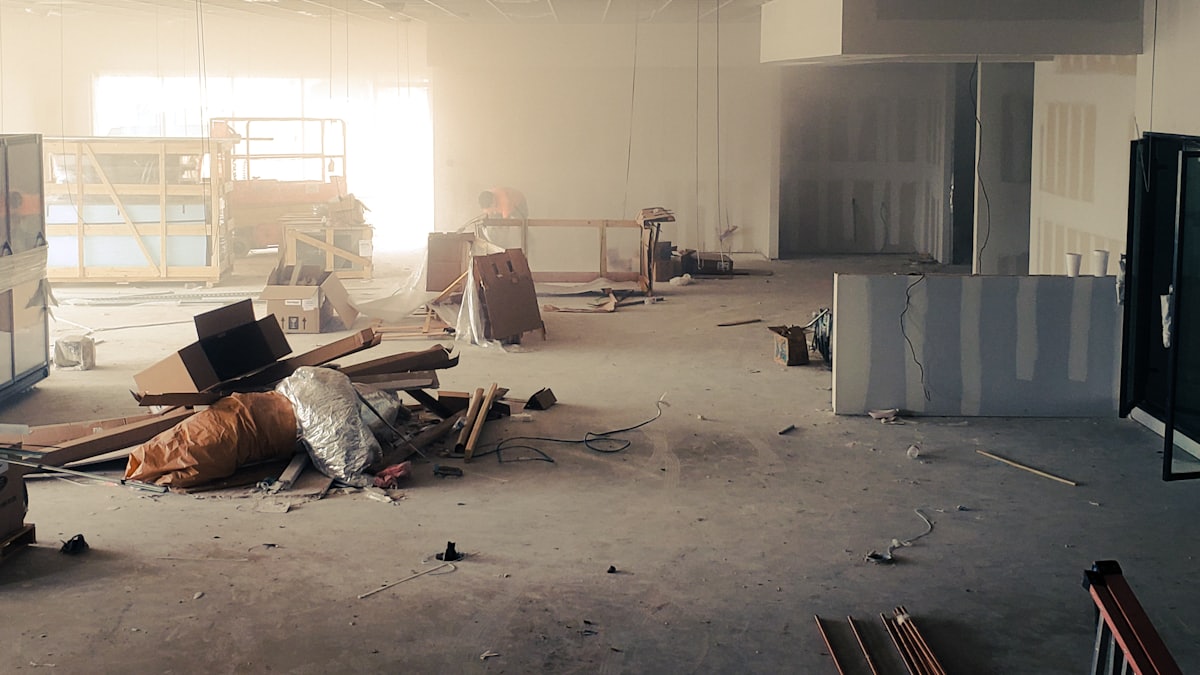
Opening a restaurant in India means budgeting well beyond the fit-out. The big buckets are the security deposit (often several months’ rent), civil and interior work, kitchen equipment, furniture, licences (FSSAI, GST, trade, liquor if any), branding and pre-launch marketing, and — the one most people underestimate — several months of working capital to survive the ramp-up before the outlet breaks even. Undersize the working capital and even a promising restaurant can fail before it finds its feet.
The main cost buckets
A restaurant budget is not one number, it is a stack of them. The major buckets, roughly in order of size:
- Security deposit — commonly several months of rent, locked up before you earn a rupee.
- Civil and interior work — the fit-out, often the single biggest line for a full-service space.
- Kitchen equipment — cooking, refrigeration, prep and storage; buy against ROI, not aspiration.
- Furniture and front-of-house — seating, POS, décor.
- Licences and compliance — FSSAI, GST registration, trade licence, fire and health approvals, and a liquor licence if applicable.
- Branding and pre-launch marketing — identity, signage, menu, launch buzz.
The cost everyone underestimates: working capital
Ask a failed first-timer what killed them and it is rarely the fit-out — it is running out of cash before the restaurant found its feet. A new outlet does not hit its target covers on day one; it ramps over weeks or months, and through that ramp you still pay rent, salaries, and suppliers. Several months of working capital — enough to cover fixed costs and losses until the outlet reaches its break-even — is not optional padding, it is survival money. Budget it as a core line, not an afterthought.
The costs first-timers forget
Beyond the obvious, budgets routinely miss: the gap between signing the lease and opening (rent you pay while building, earning nothing); professional fees (architect, consultant, CA, licence agent); smallwares and initial inventory; deposits for power, gas and internet; contingency for the fit-out overrun that almost always happens; and the pre-opening staff you hire and train before the first cover. Add a 10–20% contingency over your tidy budget — you will use it.
Turning the estimate into a plan
A startup estimate is only useful if it connects to the rest of the numbers. The total tells you how much capital (and loan) you need; the rent feeds your rent-to-revenue check; the fixed costs feed break-even. Build the estimate conservatively, add the contingency, and confirm you can fund not just the opening but the months after it — because a restaurant that opens beautifully and runs out of cash in month three was under-capitalised, not unlucky.
Restaurant Startup Cost Estimator
Estimate the full capital needed to open a restaurant, café, QSR or cloud kitchen in India: fit-out, kitchen equipment, licenses, deposits and working capital, itemised.
Step by step
Estimate the cost to open a restaurant.
- Total the one-time setup costs. Deposit, civil/interior work, kitchen equipment, furniture, POS, branding and licences.
- Add pre-opening costs. Rent during fit-out, professional fees, initial inventory, utility deposits, and pre-launch staff and marketing.
- Budget working capital for the ramp. Several months of fixed costs and expected losses until the outlet reaches break-even.
- Add 10–20% contingency. Fit-outs overrun and surprises appear — build the buffer in rather than hoping.
Frequently asked questions
What does it cost to open a restaurant in India?
It varies widely by format and city, but the budget always stacks the security deposit, civil and interior work, kitchen equipment, furniture, licences, branding and pre-launch marketing — plus several months of working capital for the ramp-up. Working capital and a 10–20% contingency are the lines first-timers most often underestimate.
Why is working capital so important when opening?
Because a new restaurant ramps to its target covers over weeks or months, and through that ramp you still pay rent, salaries and suppliers. Without several months of working capital to cover costs until break-even, even a promising outlet can run out of cash before it finds its feet.
What startup costs do first-timers forget?
Rent paid during the fit-out before opening, professional fees, smallwares and initial inventory, utility deposits, a fit-out contingency, and pre-opening staff hired and trained before the first cover. Adding a 10–20% contingency over the tidy budget covers most surprises.
Keep reading
Break-even for a New Restaurant: The Number to Know Before You Sign the Lease
How to calculate a restaurant’s break-even point, why it decides whether a site is viable, and how to pressure-test a new outlet before you commit to the rent.
Rent-to-Revenue Ratio: The Fastest Sanity Check on a Location
What the rent-to-revenue ratio is, the healthy range for restaurants, why a high ratio quietly kills otherwise-good outlets, and how to use it before signing a lease.