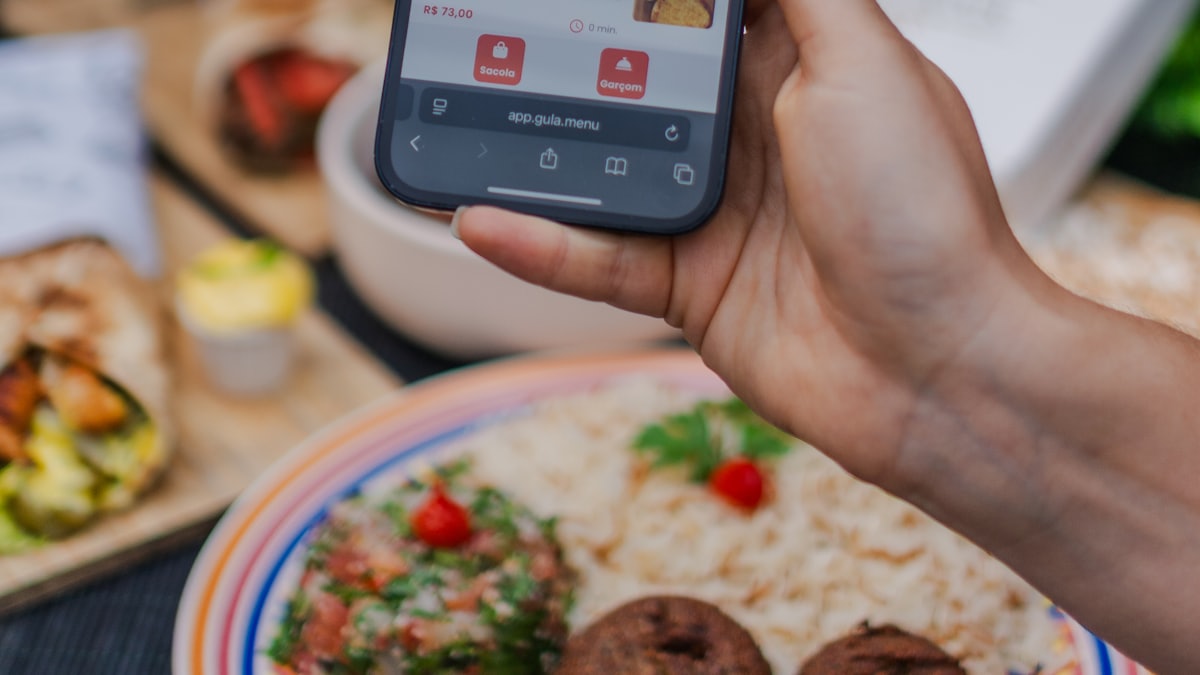
A QR menu is more than a pandemic hangover — done well it is a faster, cheaper, more flexible front-of-house. It removes the cost and delay of reprinting menus, lets guests browse and order without waiting for a server, and can lift average spend through good design and prompts. The pitfalls are real (a clunky page, forcing an app, losing the human touch), so the goal is digital ordering that speeds service and supports staff, not one that replaces the welcome that makes a restaurant a restaurant.
Beyond the pandemic hangover
QR menus arrived en masse for contactless reasons, and many assumed they would vanish with the crisis. The ones that were just a PDF of the printed menu did. But the concept, done properly, has staying power because it solves permanent problems: printed menus are expensive to reprint every time a price or dish changes, they cannot be updated instantly, and they make ordering wait on a server's availability. A well-built digital menu fixes all three — which is why the good ones outlasted the reason they appeared.
Instant, flexible, and cheap to change
The first real win is flexibility. When your menu is digital, a seasonal price change, a sold-out dish, a new special, or a re-priced item updates instantly and everywhere, at no printing cost. No more reprinting menus every time chicken jumps ₹40, no more crossed-out items or "sorry, we're out of that" after the order. A menu that moves with your kitchen and your costs is both cheaper to run and always accurate — a small operational freedom that compounds across a year of changes.
It speeds service and can lift spend
Digital ordering also changes the economics of a service. Guests can browse, decide and order without waiting for a server to be free, which speeds the whole meal and can improve table turnover. And a well-designed digital menu is a quiet salesperson: good photos, sensible layout and gentle prompts (a suggested side, a drink pairing) can lift average spend in ways a paper menu and a busy server cannot. Add WhatsApp ordering and a live order pipeline, and the digital front-of-house handles the mechanical parts of ordering so staff can focus on hospitality.
The pitfalls — and the right balance
Digital ordering done badly is worse than a printed menu. The traps: a clunky, slow page that frustrates guests; forcing an app download when a simple web page would do; and — the big one — losing the human touch, turning a restaurant into a vending machine where nobody checks in on the table. The right balance uses digital to remove friction (the wait to order, the reprint, the out-of-stock surprise) while keeping the hospitality (the welcome, the recommendation, the care) firmly human. This is what eMenu Suite aims at — QR menu, WhatsApp ordering, call-waiter and a live order pipeline — a digital front-of-house that supports the team rather than replacing them.
eMenu Suite
QR menu, WhatsApp ordering, call-waiter and a live order pipeline — the digital front-of-house that speeds service and lifts spend.
Step by step
Build a digital front-of-house that works.
- Make the menu digital and instant. Use a QR/web menu you can update instantly at no printing cost as prices, specials and stock change.
- Let guests order without waiting. Enable scan-to-order and WhatsApp ordering so ordering does not wait on a free server.
- Design it to sell. Use good photos, clear layout and gentle upsell prompts to lift average spend.
- Keep the hospitality human. Use digital to remove friction, not the welcome — a fast web page, no forced app, staff still caring for the table.
Frequently asked questions
Are QR menus still worth it after the pandemic?
Yes, when done well. Beyond being contactless, a digital menu removes the cost and delay of reprinting, updates instantly when prices or stock change, and lets guests order without waiting for a server. The QR menus that were just a static PDF faded; the well-built ones solve permanent problems and stayed.
How does digital ordering help a restaurant?
It speeds service by letting guests browse and order without waiting for a free server, which can improve table turnover, and a well-designed digital menu can lift average spend through good photos, layout and upsell prompts. It also keeps the menu instantly accurate and cheap to change.
What are the pitfalls of QR ordering?
A clunky, slow page that frustrates guests; forcing an app download when a web page would do; and losing the human touch by turning the restaurant into a vending machine. The right approach uses digital to remove friction while keeping the welcome and care firmly human.
Keep reading
Menu Engineering: Turn Your Menu Into a Profit Map
How menu engineering classifies every dish by popularity and profit into stars, plowhorses, puzzles and dogs — and exactly what to do with each to lift menu profit.
Table Turnover: The Hidden Lever on Restaurant Revenue
What table turnover is, how to calculate it, why it quietly caps your revenue, and how to turn tables faster without ever rushing a guest.