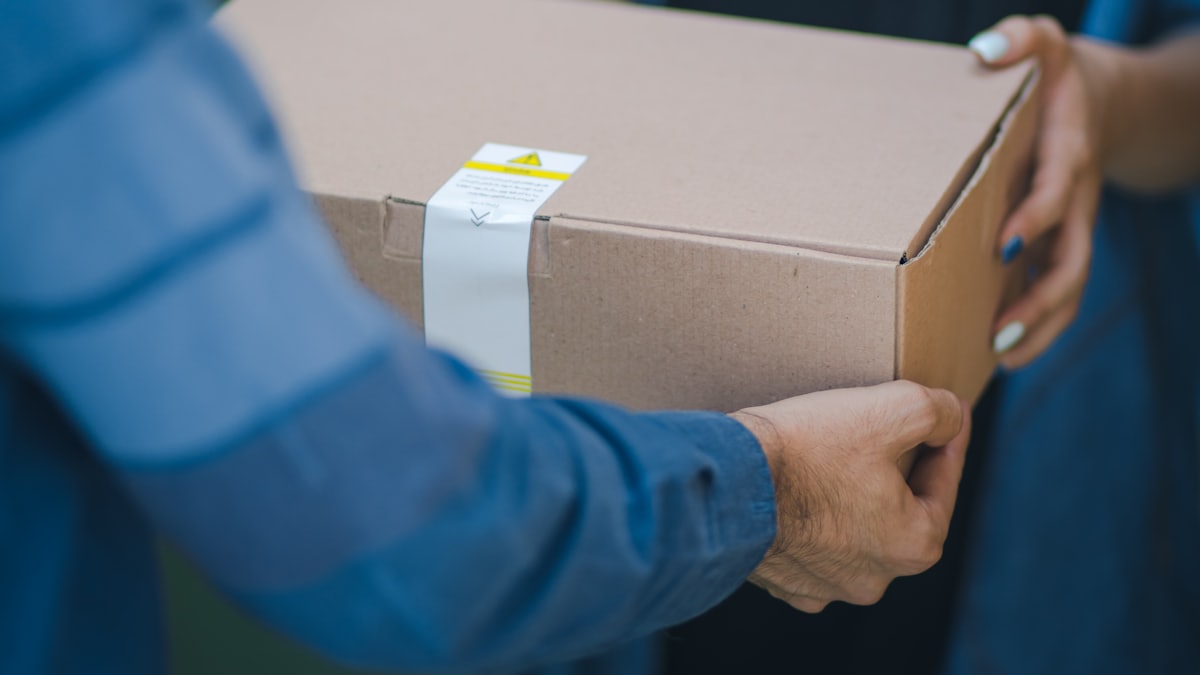
A purchase order (PO) is a written record of what you ordered, at what price, from whom, before the goods arrive — turning casual "call the vendor" buying into a controlled process. It matters because informal ordering leaks money: unrecorded price rises, quantities that creep, deliveries that do not match what was agreed, and disputes with no paper trail. A simple PO system lets you verify deliveries against the order, hold prices, and see what you are actually spending.
Why informal ordering leaks money
Many restaurants buy the casual way — a phone call, a WhatsApp, "send the usual." It feels efficient and it quietly bleeds money. Without a written order, there is no agreed price to hold a vendor to, no record to check the delivery against, and no trail when a dispute arises. Prices creep up unnoticed, quantities drift, short or wrong deliveries go uncaught, and at month-end nobody can say precisely what was ordered or why the bill is what it is. A purchase order replaces that fog with a simple, powerful thing: a record of the deal, made before the goods arrive.
What a PO controls
A PO is a control point at the exact moment money is committed. It captures what you ordered, how much, at what agreed price, from which supplier. That single record does a lot of work:
- Price discipline — the agreed price is on paper, so a vendor cannot quietly bill more (the supplier comparison you did means nothing if prices drift after).
- Delivery verification — you check what arrives against what was ordered, catching shortfalls and substitutions.
- Spend visibility — POs total up to a true picture of what you are buying, feeding your food cost control.
- Dispute resolution — a paper trail settles "you ordered 10, we sent 8" instantly.
The receiving check is where POs earn their keep
A PO is only as good as the goods-received check that uses it. When a delivery arrives, someone matches it against the PO — right items, right quantities, right prices, right quality — before it is accepted and before the invoice is paid. This is where the leaks are actually caught: the short crate, the substituted lower grade, the price that crept above the agreed rate. Skip the receiving check and the PO is just paperwork; do it, and you close the gap where most purchasing losses happen.
Keep the system simple enough to use
The reason many restaurants avoid POs is a fear of bureaucracy, and an over-engineered system does get ignored. The answer is a simple, fast process: an easy way to raise an order, a clear record, and a quick receiving check — light enough that the team actually uses it every time. A PO or indent generator that turns your order into a clean document in seconds removes the friction, so the discipline sticks. The goal is control without bureaucracy: enough process to plug the leaks, little enough that it never slows the kitchen down.
Purchase Order / Indent Generator
Create a clean, itemised purchase order with quantities, rates, totals and receiving terms, ready to send to any vendor on WhatsApp or email.
Step by step
Run a simple purchase-order system.
- Raise a PO before ordering. Record the items, quantities, agreed prices and supplier before the goods are sent.
- Send it to the supplier. Share the order so both sides work from the same agreed deal.
- Check goods against the PO on delivery. Match items, quantities, prices and quality before accepting and before paying the invoice.
- Total POs for spend visibility. Use the records to see true purchasing spend and feed food-cost control.
Frequently asked questions
What is a purchase order in a restaurant?
A purchase order is a written record of what you ordered — items, quantities, agreed prices and supplier — created before the goods arrive. It turns casual phone-and-WhatsApp buying into a controlled process you can verify deliveries and invoices against.
Why should a restaurant use purchase orders?
Because informal ordering leaks money — unrecorded price rises, drifting quantities, short or wrong deliveries, and disputes with no paper trail. A PO holds agreed prices, lets you verify deliveries, gives true spend visibility, and settles disputes instantly.
Where do purchase orders actually save money?
At the goods-received check. Matching each delivery against its PO — right items, quantities, prices and quality — before accepting it catches the short crates, substitutions and crept prices where most purchasing losses happen. Without that check, a PO is just paperwork.
Keep reading
Comparing Supplier Prices: Why the Cheapest Quote Is Rarely the Cheapest
How to compare HORECA supplier quotes properly — normalising for unit, quality and yield, factoring credit terms and reliability, and finding the true lowest cost, not the lowest price.
Food Cost Percentage: The Number That Quietly Decides Your Month
What food cost percentage is, how to calculate it with a stock-take, the benchmark bands for Indian restaurants and cloud kitchens, and why weekly beats monthly.