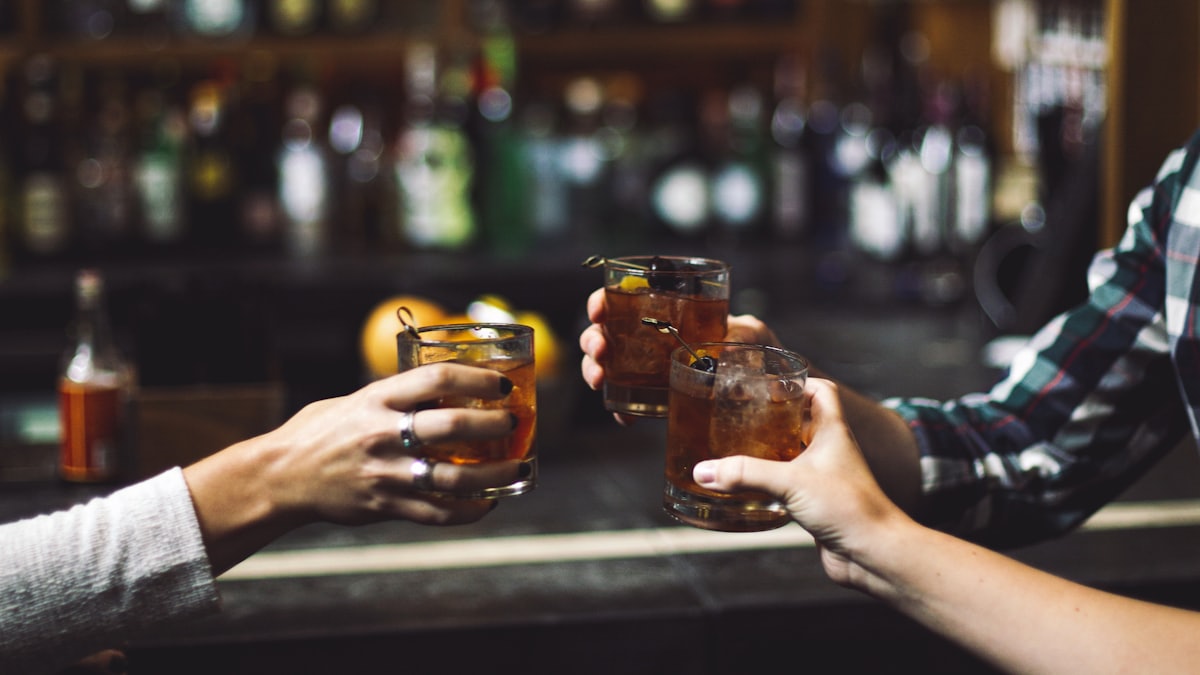
A discount only pays if it brings in enough extra volume to cover the margin you gave away — and the volume needed is usually far higher than owners expect. A 25% price cut on a 60%-margin item needs roughly a 71% increase in units sold just to break even on profit. Happy hour works when it fills genuinely dead time with incremental customers, and loses money when it just discounts business you would have had anyway.
The discount trap in one number
Discounts feel like growth — more footfall, busier bar, buzzier room. But a discount is a direct cut to margin, and it only pays if the extra volume more than replaces the profit you gave away. The uncomfortable truth is how much extra volume that takes. Cut price 25% on an item with a 60% margin, and you need unit sales to rise by about 71% just to make the same profit as before. Not 25% more customers — 71%. Most promotions never come close, which is why so many "successful" happy hours quietly lose money.
Why margin, not the headline discount, decides it
The break-even volume of a discount depends on your starting margin, not the discount size alone. The lower the margin, the more devastating a price cut: shave 20% off a thin-margin dish and you might need to double sales to break even; the same 20% off a high-margin cocktail needs far less. This is why high-margin drinks are the classic happy-hour lever — there is more room to discount before the maths turns against you.
The one thing that makes happy hour work
Happy hour earns its keep when it fills genuinely dead time with genuinely incremental customers — the 4–7pm lull between lunch and dinner, when the room and staff are already paid for and empty tables earn nothing. Discounted covers in that window are close to pure contribution. The failure mode is discounting time that would have filled anyway, or your regular customers simply shifting their visit to the cheaper hour — that is not new business, it is a self-inflicted price cut.
Designing an offer that pays
A few rules keep the maths honest:
- Discount high-margin items where there is room to cut without bleeding.
- Target dead hours, not peak — the whole point is incremental, not cannibalised, covers.
- Drive attach-on spend — cheap drinks that pull in guests who also order full-price food change the whole equation.
- Measure it — compare profit in the promoted window against a normal one, not just the headcount. Busier is not the same as more profitable.
Happy Hour & Discount Impact Calculator
Find how many extra covers a discount must pull in before it stops costing you money. The maths most discount decisions skip.
Step by step
Test whether a discount will pay.
- Find the item’s current margin. Price minus cost, as a percentage of price.
- Set the proposed discount. Decide the price cut you are considering.
- Calculate the break-even volume lift. Work out how much unit sales must rise for the discounted margin to match the original profit — usually far more than the discount percentage.
- Judge it against dead time. Only proceed if that volume lift is realistic and comes from incremental customers in otherwise-dead hours.
Frequently asked questions
Does a happy hour actually make money?
Only if it brings in enough incremental volume to cover the margin given away. A 25% cut on a 60%-margin item needs roughly 71% more units sold just to break even on profit. Happy hour pays when it fills genuinely dead time with new customers and loses when it discounts business you would have had anyway.
How much extra volume does a discount need to break even?
It depends on the starting margin — the lower the margin, the more volume required. A price cut on a thin-margin item can need sales to double to break even, while the same cut on a high-margin item needs much less. Always calculate against your actual margin.
Which items should I discount for a promotion?
High-margin items, in dead time slots, ideally ones that pull in full-price attach-on spend. Discounting low-margin items or peak hours usually loses money, and discounting hours that would have filled anyway just cuts your own prices.
Keep reading
How to Cost a Cocktail and Price a Bar Menu (Pour Cost Explained)
What pour cost is, how to cost a cocktail down to the garnish, the target margins for a bar in India, and why drinks — not food — often carry the room.
Restaurant Menu Pricing in India: Food Cost, Psychology and the Formula
How to price restaurant menu items in India — the food-cost formula, contribution margin, price psychology, and the mistakes that quietly kill margin.